
Digital marketing for artists has triggered a new renaissance, fundamentally restructuring how creators connect with the global marketplace. For centuries, the art world operated under a rigid, centralized hierarchy where galleries acted as the ultimate gatekeepers. However, the current shift toward decentralized commerce emphasizes that the artist should own the entire distribution system. Consequently, the traditional reliance on physical exhibitions is being replaced by a high-efficiency digital infrastructure. At Jzine Art, we view this transition not just as a change in tools, but as a total evolution of the creative economy. This movement allows a wooden decorative box or a massive canvas to find its home without a middleman taking a massive commission.
The Structural Shift Toward Digital Marketing for Artists
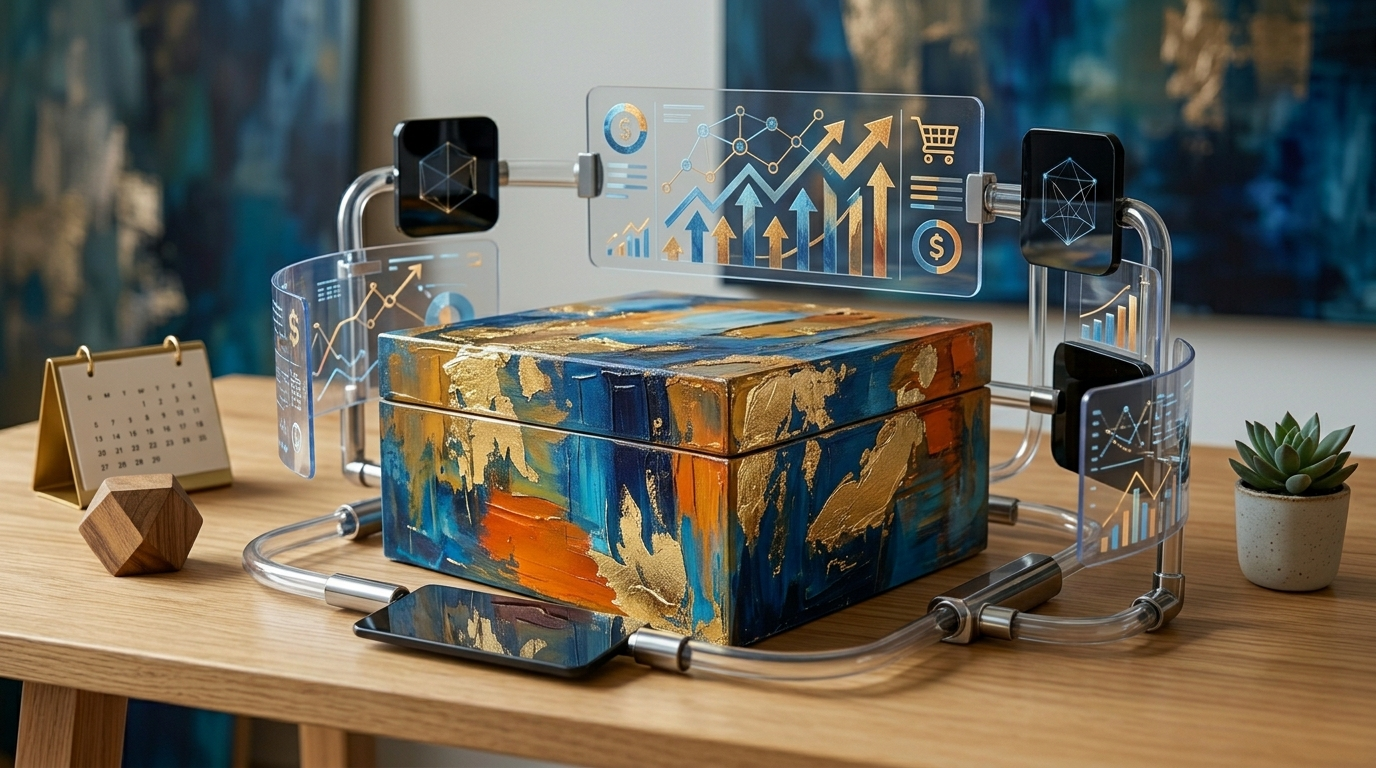
Modern artists often struggle with the balance between creative production and the technical demands of business. A talented creator can sometimes remain undiscovered if they lack a logical system for visibility. This is specifically where the concept of a direct-to-consumer (DTC) model becomes essential for a sustainable career. By integrating professional web development with strategic outreach, you create a professional ecosystem that remains under your total control.
Why Every Creator Needs Digital Marketing for Artists
A robust strategy for digital marketing for artists serves as a logical solution for the obscurity that often plagues independent studios. Whether you are selling hand painted wooden boxes or large-scale installations, these digital systems keep your brand visible. Specifically, using a high-quality WordPress or Shopify site allows you to bypass the 50% commissions traditionally charged by physical galleries. By choosing to build your own platform, you turn a passive hobby into a deliberate, high-performance business. In addition, these digital storefronts provide a sense of global reach that a local brick-and-mortar shop simply cannot replicate. They act as the primary interface between your studio and a worldwide audience of collectors.
The Mechanics of the New Art Renaissance
The true value of this new era lies in the democratization of the “Operator” role. Unlike the old system where an agent managed your narrative, digital marketing for artists puts the storytelling back into the hands of the creator. This process involves optimizing search presence, building an email list of dedicated collectors, and maintaining a high-density social media presence. Because you are communicating directly with your audience, no part of your artistic vision is lost in translation. This transparency is a hallmark of the modern artisan home decor market. Furthermore, the use of targeted ads ensures that your work reaches people who are already searching for an original abstract painting to complete their interior design system.
Building a Technical Foundation for Growth
Choosing the right digital stack is the first step in creating a lasting professional presence. Most successful independent creators select platforms like WordPress for their SEO flexibility and ownership of data. Using a self-hosted site ensures that your modern home decor business does not vanish if a social media platform changes its algorithm. A well-constructed website can last for years, serving as a permanent digital gallery that never closes. This structural stability is a core pillar of the professionalized art movement currently redefining the industry. To understand how this fits into the broader commercial landscape, you can study Ecommerce SEO for Niche Hobbyist Brands: The Growth Blueprint to refine your technical approach.
Elevating Your Creative Business System
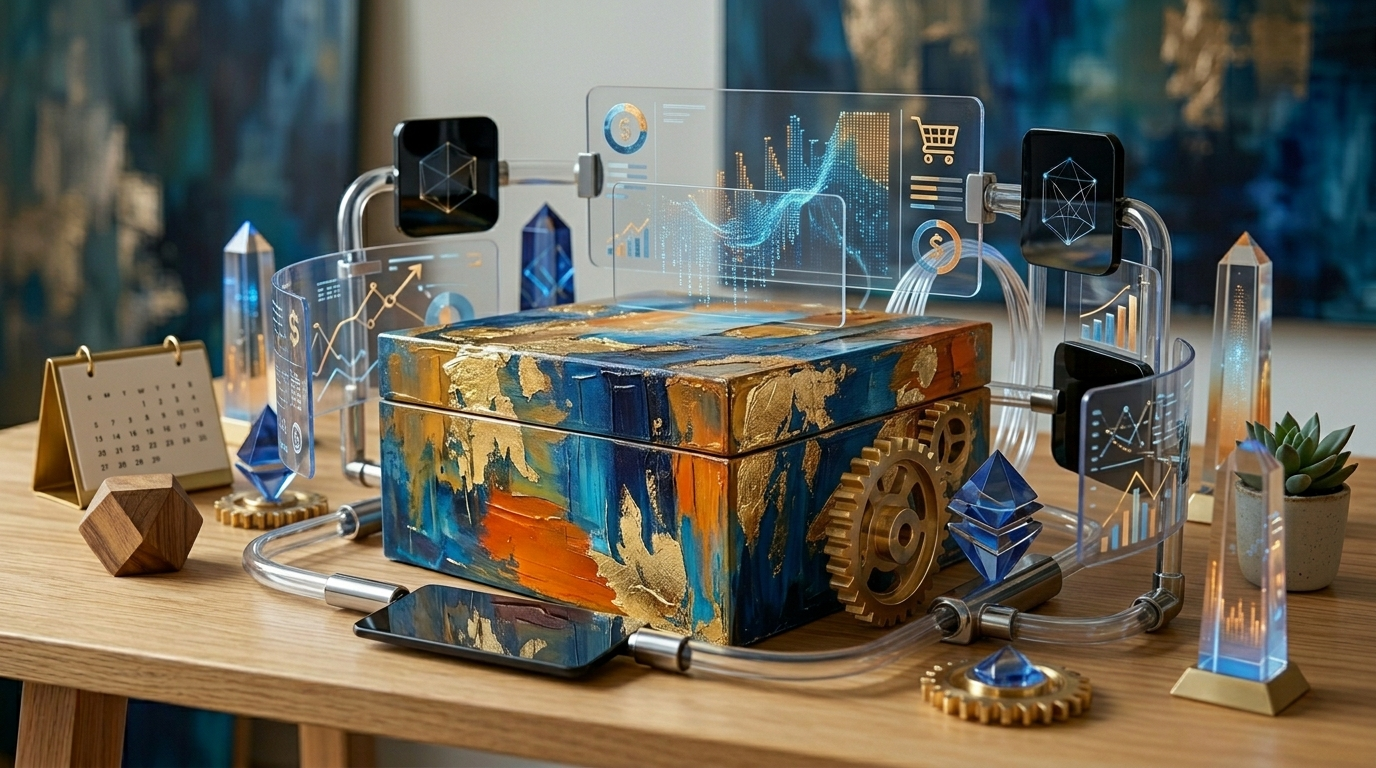
Successfully integrating a marketing strategy into an artistic practice requires the same spatial awareness as composing a masterpiece. You must consider the user journey, the visual palette of your website, and the existing “energy” of your online community. Every digital touchpoint should complement the physical beauty of the art rather than distracting from it with aggressive sales tactics.
Strategic Content for Artisan Home Decor Sales
When you implement digital marketing for artists, your content acts as a secondary focal point for your brand. To achieve a professional look, follow the rule of consistency by grouping your high-quality product photography with “behind-the-scenes” process videos. This creates a visual “narrative” that builds trust with potential buyers. Specifically, a website with a clean, minimalist layout can provide the necessary contrast to the bold colors of an original abstract painting. If your portfolio is exceptionally large, using a categorized shop section can create a rhythmic, organized effect that draws the customer through your collection. This arrangement creates a sense of professional reliability that encourages high-value transactions.
The Role of Social Proof in Modern Sales
The comment section is the new guestbook, making it the perfect place for building social capital. A strategic presence here serves the functional role of answering questions and immediately signaling your expertise. In a crowded digital market, these authentic interactions replace the “snobbery” of high-end galleries, bringing a human touch to your online shop. Integrating digital marketing for artists into your daily routine can boost your sales velocity by providing a constant stream of leads. It bridges the gap between the private world of the studio and the public world of the global art market.
Beyond the Algorithm: Creating a Narrative with Collectors
Every piece of artisan home decor you sell contributes to the long-term legacy of your brand. When a collector purchases a hand-painted piece from your site, they are investing in your specific professional journey. This interaction is similar to the way investors back a startup with a clear roadmap. For instance, if you have previously researched what is figurative art, you understand that storytelling adds a layer of value to a physical object. By extending this narrative style to your marketing emails and blog posts, you create a cohesive brand identity that flows from your pixels to your packages. This consistency is what defines a truly successful modern home decor business.
The Emotional ROI of Direct Connections
Investing in a direct relationship with an artist provides a different level of satisfaction compared to purchasing mass-produced items from a big-box retailer. This applies to both the buyer’s experience and the artist’s creative freedom. The knowledge that a collector is supporting the artist directly creates an emotional resonance that a corporate transaction cannot simulate.
Comparing Traditional Galleries to the Direct Model
The primary drawback of the old gallery system is the lack of data and direct communication. In contrast, digital marketing for artists applied to a personal brand provides a rich, data-driven understanding of your audience. When a visitor lands on your page, you can see which pieces capture their attention and why. This feedback loop makes the business feel alive and reactive to the needs of the market. Furthermore, owning your marketing system supports the broader creative economy. As the art world evolves, many creators are finding that the most efficient path to success is learning how to reach their niche directly. This direct-to-consumer model ensures that the artist remains the primary beneficiary of their own labor.
The Psychology of Digital Immersion
Human beings are naturally drawn to stories and authenticity. In an increasingly automated world, the need for real, human-scale connection is growing. A website that showcases the texture of a wooden decorative box through high-definition video provides a sensory experience that static images lack. Seeing the artist’s hand move across the wood connects the buyer to the physical act of creation. This sensory grounding can turn a casual browser into a lifelong collector. When you choose to master digital marketing for artists, you are choosing to invite the world into your creative process.
Scaling Your Artistic Empire Over Time
You do not need a massive marketing budget to start seeing a significant return on investment. Start by perfecting one channel, such as an SEO-optimized blog or a focused Instagram profile. Over time, these small technical improvements build a sophisticated sales engine that you can layer with paid advertising. A well-optimized website is often the perfect entry point for new artists because it is both scalable and highly professional. As your brand grows, you can begin to coordinate these digital efforts with your production of large wall art for living room pieces and specialized functional items. This gradual approach ensures that your business reflects your evolving skills and personal professional goals.
Conclusion
Mastering digital marketing for artists is a simple yet effective way to secure your future in the creative industry. By prioritizing a direct-to-consumer system, you bring a high-efficiency business element into your studio that serves both your financial and artistic needs. These digital strategies remind us that art does not have to be a “starving” profession hidden away in a basement. Instead, it can be a thriving, transparent business that reaches across borders every day. Whether you are selling an original abstract painting or a small piece of artisan home decor, functional marketing provides the perfect foundation for growth. Explore the possibilities of the new renaissance to build a more intentional and profitable creative life.